Search This Blog

Deworming Dogs

Deworming of dogs and cats - The different types of worms


Two broad categories:

  • Roundworms (ascarids, hookworms, whipworms) - flatworms (tapeworms) Taenia spp, Dipylidium

Roundworms

Description and effects


  • The roundworm, roundworms about 10 cm long, mostly infect puppies and kittens. They cause diarrhea, bloating, delayed growth, and decreased immunity.
  • Hookworms are worms dangerous but rare. They cause fever and digestive problems (diarrhea, sometimes with the presence of blood)
  • Whipworms The worms are most common in adult dogs. Adult whipworms encyst in the large intestine. The eggs can survive outside for several years.

Modes of contamination


  • Ascaris: the placenta or breast milk

Ingestion of eggs from the outside.

  • Hookworm: larvae penetrate the skin of the dog or cat

Ingestion of eggs
Breast milk

  • Whipworms: Ingestion of eggs

Flatworms

Description and effects

The most widespread is the tapeworms Dipylidium.
You can see it when its last segments filled with eggs are present in the stool (like grains of rice)
Cause irritation, the animal rubs against the rear floor, causing food shortages

Modes of contamination


Transmitted by the chip when the animal ingests


Transmission to humans
Roundworms: Possible by roundworms (children playing in the sandbox)
Symptoms: fever, fatigue, impaired growth
Symptoms rarer migrant larvae encyst in the eye or brain.
Tapeworms: The tapeworm can cause zoonoses. The humans become infected by ingestion of eggs released by the dog in the environment, causing disease hydatid cysts (encysted larvae within vesicles, usually in the liver or lungs)

Why deworm regularly?

If the worms are harmful to the health of the animal, but they are rarely detected because the symptoms are often subtle. Furthermore, only the eggs pass in feces, so it is difficult to visualize

Finally, given the risk of zoonoses, deworming should be considered a gesture of Public Health and conducted especially when children are in contact with the animal


When deworm your dog or cat?
Young
15 days to 2 months: 15 days yous 2 months to 6
months: monthly

Adult
After 6 months of age: at least 2 times per year

Breeding female
2 to 3 days before mating 15 days before and after parturition

  • We must deworm, preferably before the vaccinations because worm infections can cause a decline in immunity, causing a bad action of the vaccine.
  • In the presence of tapeworms (Dipylidium), consider combining flea treatment.
  • Dogs and cats do not carry pinworms. The human infections are not of canine and feline

What is angina

Angina or an acute tonsillitis is caused by infection affecting the lymphoid formations of the oropharynx (tonsils). Angina is acute in most cases of viral origin (70 to 80% of cases). If the origin is bacterial, it is generally the beta-hemolytic streptococcus group A.

Symptoms
  • A sore throat associated with fever beginning in most cases abruptly.
These can be accompanied by difficulty swallowing.
  • Chills, muscle aches, headache
What treatment?

Local treatments (tablets or mouthwashes), which generally contain two active ingredients:
an antiseptic and anesthetic

The treatment should not exceed five days and will not be renewed if no improvement is noted after this period.
Suppositories, bismuth-based and guaifenesin.
Preferred liquid food or ice.

Do not minimize the infection!

If an antibiotic is prescribed:
Observe the number of daily dosing without increasing or decreasing the dose and duration of treatment
If you have a fever or if in doubt, consult your doctor.

Complications

  • Cellulitis
  • Chronic Obstruction of the oropharynx
  • Complications due to bacterial tonsillitis:
  • Rheumatic fever
  • Acute glomerulonephritis

Anemia Questions

What is anemia?

Anemia is the reduction of the hemoglobin in red blood cells. The main cause of anemia is iron deficiency. Iron is a component of hemoglobin.

What are the visible signs of anemia?

The pale complexion and conjunctivitis, excessive fatigue and permanent, when anemia is important, shortness of breath.

How to detect anemia associated with iron deficiency?

A blood test can analyze: the hemoglobin and the determination of iron in reserve.

What are the main causes of iron deficiency?

Situations where there is loss of iron (heavy menstrual bleeding, IUD, blood donations, hiatal hernia, hemorrhoids, ulcers ...)

Situations where the needs are increased (adolescence, pregnancy ...)
Situations where the diet does not provide enough iron (dietary and vegetarian diets, elderly ...)

How to treat anemia due to iron deficiency?

By a daily intake of iron tablets. Treatment should be extended sufficiently to replenish iron stores.

Self-administered questionnaire

1) Do you tan?
Pale (1 point) - Pink (0 points)

2) Have you conjunctiva (edge ​​of the lower eyelid) pale?
Yes (1 point) - No (0 points)

3) Are you pregnant?
Yes (1 point) - No (0 points)

4) Give you your blood?
Yes (1 point) - No (0 points)

5) Are you prone to heavy periods?
Yes (1 point) - No (0 points)

6) Do you feel excessive fatigue?
Yes (1 point) - No (0 points)

7) Do you wear an IUD?
Yes (1 point) - No (0 points)

8) Do you follow a regular diet or vegetarian?
Yes (1 point) - No (0 points)

9) Have you gynecological bleeding between periods?
Yes (1 point) - No (0 points)

10) Did you cause of gastrointestinal bleeding (hiatal hernia, hemorrhoids, ulcers)
Yes (1 point) - No (0 points)

Results:
Between 7 and 10 points:
You have causses possible iron deficiency anemia, talk to your doctor
Between 3 and 6 points:
It would be preferable to monitor hemoglobin and to know the status of your iron stores by blood tests.
Between 0 and 2 points:
you are not experiencing anemia. Continue to eat foods rich in iron.

Iron in Diet

The iron in the diet
The absorption of iron is much better for food of animal origin, as plant foods.

The body of an adult subject contains about 4g of iron. Iron requirements vary by age between 14 and 50 mg per day. The normal diet provides an average of between 10 and 15 mg of iron per day. Given its reduced absorption and variable depending on the food, it does not cover iron requirements in all cases.

Foods rich in iron (in milligrams per 100 grams)

Clams 26
Moulds 24
Covers 20
Flange 20
Pig liver 13
Cocoa powder 12
Beef Liver 10
Lamb liver 10
Kidneys 10
Beans 9
Beans 7
Lenses 7
Yolk 6
Dried peas 6
Oysters (12) 5.5
Calf liver 5
Nuts 4.5
Beef heart 4
Dried Fruit 3-4
Spinach 4
Beef tongue 3.5
Meat 3
Parsley 3
Whole egg (1) 2.8
Chocolate 2.8
Cress 2.5
Whole wheat bread 2.2
Poultry, game, ham 2
Fish, crustaceans 0.5-2
Wine (100ml) 0.6-1.2

The recommended daily intake of iron


Child 1-12 months 8-10 mg
Children from 1 to 3 years 10 mg
Children 6 to 12 years 14 mg
Teenager 15 mg
Teenager 18 mg
Male adult 16 mg
Male adult 20 mg
Pregnant woman 50 mg
Breastfeeding woman 50 mg

Allergies Tests

Know that you have allergies? Test your knowledge with 12 questions


Questions

1) An allergy is:

A - a psychological reaction to an object, person or animal for which one feels disgust or contempt.
B - an overreaction of our immune system to a foreign substance.

2) If you are allergic to a specific substance ..

A - it would be pure chance that your child will be allergic.
B - there is a risk that your, children are allergic to the same substance.
C - there is a risk that your children are allergic, but obviously the same substance.

3) Can you be allergic to the sun?

A - yes
B - No

4) Can you be allergic to money?

A - Yes
B - No

5) What is an allergic reaction?

A - An allergy that you are more likely than average to start because of your allergy page.
B - An allergy inextricably linked to your main allergy: you are allergic to multiple substances at once.

6) What is an antibody?

A - external substance that causes an allergic reaction when it enters the body.
B - A substance secreted by the body to fight against outside attack.
C - A chemical found in some drugs used in allergy cases.

7) What is a food allergens?

A - A food allergen.
B - An allergen drug
C - A ranking of the major allergens.

8) The strawberry allergy is:

A - most common
B - fairly common
C - rare

9) A rosacea is:

A - A flowering plant whose pollen may be allergenic.
B - A Family Fruit
C - A skin lesion caused by bee venom

10) Can we get to desensitize allergic to bee stings or wasp?

A - Yes
B - No

11) Can we get desensitized to a pet allergy?

A - Yes
B - No

12) Can we get desensitized to food allergy?

A - Yes
B - No

Answers

1 - B

Allergy, in the true sense of the term, is a reaction of our body has a foreign substance wrongly considered by the body as an enemy.

2 - C

There is a risk of genetic transmission of the principle of allergy, ie the right to overreact to an antigen by an abnormal secretion of IgE antibodies. If you are allergic, this does not mean that your children will also necessarily at the same allergen as you. But caution is needed.

3 - B

No, the sun is not allergenic. There is no allergen from the sun that can sensitize the immune system. However, the sun can cause a photoallergic reaction which will transform a substance in the body and make it allergenic. These substances are transformed under the influence of the sun may come from drugs, cosmetics, sunscreens ...

4 -

You can be allergic to nickel used in the manufacture of coins, but also in the jewelry and other fashion accessories (belt buckles, show ..). Nickel allergy is an allergy difficult to detect because it can occur several days after contact with this metal. The areas of the body. monitor are the ears, neck, wrists and hands.

5 -

The cross allergies remain a dark side of the allergy. In some cases, your body secretes IgE and specific enough to react to several allergens are similar. One thing is sure: it's not because you're told that the peanut "cross" with latex or soybeans that you will necessarily have a soy allergy to latex or if you are to peanuts. Stay alert (e) but do not be anxious (e).

6 - B

Antibodies are a key part of our immune system. They have the ability to attract and fix that attack foreign substances our bodies (antigens). Also called immunoglobulin (ig), they are secreted by B lymphocytes our It is their surplus which is implicated in the case of allergy.

7 - A

A food allergens (Greek trophy, "food") is a food substance capable of eliciting an immune response in an allergic person who consumes from the gastrointestinal tract

8 - C

True allergy to strawberries is rare (0.7% of food allergies in adults). However, the strawberry is a food itself rich in histamine, easily contaminated by nickel and histamine libérareur (that is to say who will act on the release of histamines by our immune system). In these capacities, Strawberry is often responsible for "false food allergies" usually resulting in outbreaks of hives. We find the same type of phenomenon with chocolate or tomato.

9 - B

Among the Rosaceae, there are a lot of fruit allergenic or "histamine liberators" as the apple, hazelnut, pear, peach, apricot plum, cherry, raspberry, strawberry ...
Acne rosacea exists but is not due to bee venom.

10 - A

It can be desensitized when you are allergic to wasp venom. This is recommended even if you have a risk of being bitten in remote locations where there are no treatment centers: forest, mountain, boat ... There are even programs accelerated desensitization in a few days.

11 - B

To date, immunotherapy or desensitisation to pet allergens has not been convincing. This may be because too often it is practiced in an environment not "healthy", ie not free from the presence of the allergen.

12 - B

For reasons still unexplained, desensitization to food allergens is largely ineffective Moreover, it is quite dangerous experiments in the United States show a too high rate of severe allergic reactions during desensitization. Yet we hear regularly about the development next to a "peanut vaccine cons.

Questions About Allergies

Questions and answers about Allergies

Pollution is it responsible for the allergy?

The pollution outside is often accused wrongly of being responsible for the increase in allergies and especially asthma. However, it is true that a peak pollution can promote a crisis in a person already allergic.

Asthma can be cured?


Yes, there are many forms of asthma may improve with age. In addition, if asthma is caused by a specific allergen (e.g. professional home), just that the subject is no longer in contact with it for it to heal.

The desensitization is effective?

They are very effective in the venom of Hymenoptera (wasps, Hornets ...): The success rate is 98%. It is 70% for dust mites and pollens. Desensitization is often disappointing for allergies to animals and molds. Finally, there is no desensitization for food allergies.

Allergy is the family?

Not always, but there are actually allergic families: one speaks of atopy, which is genetic. All family members may not have the same symptoms: the mother may suffer from asthma and children with eczema.


The main clinical signs

Respiratory symptoms (rhinitis, as hay fever, asthma and lung damage).
Causes: pollen, animal dander, dust mites and certain chemicals.

Skin manifestations (eczema, urticaria and angioedema).
Causes: drugs, foods and some chemicals.

More rarely: digestive symptoms (vomiting, diarrhea)

Even more rarely (3.2 cases per 100 000 inhabitants): anaphylactic shock. It is the most brutal expression of allergy. Anaphylactic shock begins with a rash on the neck and face, followed by swelling of the eyelids, tongue. In the third case, the patient also suffers from a dry cough. Then, there was a drop in blood pressure, which can trigger up to cardiac arrest and possibly death. For people who have already presented these symptoms, even in a less spectacular, it is advisable to carry around a syringe of epinephrine self-injection: this simple, provided you do not waste time, can save lives.

Treatment of Allergies

Desensitization.

Its principle is to be repeated to bring the body of allergen doses sufficient to raise its defenses, but too low to trigger an allergy. The body gradually gets used and considered less of the allergen as an enemy against which he must respond.

The drug allergy.
They reduce the symptoms of allergy attack, or prevent recurrences. Corticosteroids act primarily through their anti-inflammatory effect. They are administered systemically (in tablet or injection) or limiting their side effects, topical (inhaled or oral nasal cream or ointment). Antihistamines antagonize the effects of histamine, a substance liberal SOE during allergic reactions. Effective in treating the symptoms of rhinitis and urticaria but also have a preventive action. Cromolyn sodium, it blocks the release of histamine and thus acts at the beginning of the crisis, even preventively. Treatment of asthma is also using other classes of drugs (anti-leukotrienes, betamimetic, theophylline). Finally, the emergency treatment of severe allergy (anaphylactic shock) is based on adrenaline.

Food for Allergies

3.5% of the adult population suffers from food allergies. In children, this proportion is close to 8% and has doubled in five years. More worrying is the increase in the frequency of anaphylactic shock: these severe allergies (with generalized urticaria, swelling of the neck and choking), which are foods borne in 14% of cases, have quintupled in 10 years. The offending food is not always easy to identify: how to know that there are peanuts in baby care creams, kiwi small pots of years ...

The symptoms most often appear immediately (within minutes or seconds) after food intake. They may involve itching of the palate, lips or throat, swelling of lips, tongue or pharynx, rhinitis, conjunctivitis or asthma. I t can also be an attack of generalized urticaria, an angioedema, anaphylactic shock. Manifestations of chronic eczema are as well possible, especially in children. Thus, in infants younger than one year, a quarter of generalized eczema is due to peanuts. Peanut tops the list of foods implicated in small, by its frequency and severity. Other foods most allergenic in children are egged, milk, mustard and fish. In adults, it is in order, sesame, fish and peanut. The association with an allergy to pollen or latex is common.

If the doctor can often recognize an allergy by clinical examination and examination of his patient, additional tests are sometimes needed to confirm the diagnosis and determine the list of offending allergens. Blood samples, assaying certain antibodies may indicate an allergic and direct them to one or more allergens. These can also be tested directly: on the skin, respiratory tract ... The idea is to see if they trigger the same experimental re action that the patient presented spontaneously. In general, we test a battery of products: those who are suspected in the case of the patient and a series of standards called allergens, that is to say, in often implicated in allergies.

There are two types of skin tests, prick tests and patch tests. For prick tests, the allergist injected very low doses of allergens under the skin of the arms, and it checks after about twenty minutes if some bite trigger inflammation. The patch tests them, performed in the plating substances on the skin at the back. The local reaction is checked after 48 hours.

Making Healthy Food Choices

Tips for making some food


Drink:

It is absolutely not recommended to eat during treatment. Indeed, certain drugs inhibit the degradation of alcohol that can cause facial flushing, vomiting, headache and tachycardia. Do not forget that some syrups, ampoules or drinkable drops may contain. Its sedative effect is further enhanced by the central nervous system drugs (antidepressants, antihistamines, barbiturates, hypnotics, opiates ...)

Baby:

The drugs are administered preferably before the meal (when he is hungry!). If he must take several medications, it is advisable to wait several minutes between each to avoid the risk of vomiting. Moreover, it is not recommended to mix the milk bottle because the baby can not absorb all that is the intended dose. A solution and mix in a little water or sauce.

Pop:
They are not recommended for medication because they accelerate gastric emptying and have been implicated in the degradation of active ingredients (sodium valproate).

Coffee:

Certain drugs slow the hepatic metabolism of caffeine in the body which can cause side effects: palpitations, insomnia ...

Milking:

The calcium in dairy products is suceptible to form complexes with many non-equivalent drugs that must be administered over 3 hours away from a milk drink.

Vegetable and meat:

Green leafy vegetables, beef and pork contain vitamin K, patients treated with anticoagulants must be to be vigilant. People taking oral anticoagulants should also be eaten in moderation.

Wholemeal bread:

It contains phytic acid which reduces the absorption of cations (zinc and calcium in particular). Care must be taken to wait at least 2 hours after consumption for taking minerals.

Tea:

Some substances it contains form nonabsorbable complexes with salts of iron, so drink to avoid taking medications containing iron.

Food and Drugs

Food and Drugs Importance of making time

This is an important aspect of the administration of oral medications. Restrictions on the medication in relation to meals based on two principles:

Ensuring Efficiency:

The meal can influence the pharmacokinetics of drugs. The amendments are multiple (absorption rate, peak serum, gastric emptying, metabolism) and may be accompanied by a change in bioavailability. Any changes in bioavailability may influence drug efficacy.

Improve the digestive tolerance:

Taking definite medications with meals designed to improve gastrointestinal tolerance. This is particularly true for anti-inflammatory agents, certain antibiotics, etc.... On the other hand, some drugs that act in the gastrointestinal tract are the subject of specific recommendations regarding their decision or not with a meal (e.g., antacids, digestive enzymes, antifungal ...)


Examples of drugs whose absorption is modified by intestinal food


Reduced absorption

  • Penincilline, tetracyclines (if simultaneous absorption of dairy products)
  • Acetylsalicylic acid
  • Levodopa
  • Theophylline (if simultaneous absorption of protein)
  • Sotalol

Delayed absorption

  • Cephalosporins (if simultaneous absorption of dairy products)
  • Erythromycin
  • Sulfonamides
  • Furosemide
  • Cimetidine
  • Digoxin (if absorption of too much fiber)
  • Ibuprofen

Increased absorption

  • Griseofulvin (if simultaneous absorption of fat)
  • Nitrofurans (however diminished if taken on an empty stomach)
  • Diazepam
  • Hydrochlorothiazide
  • Lithium (however diminished if taken on an empty stomach)
  • Propranolol (a reduction of the effect of first pass metabolism)
  • Metoprolol
  • Phenytoin (through enzyme induction)

Drug and Food

Food and Drugs What you should know.
You've probably already noticed that the medication was not done at any time of day or meal. Indeed, interactions between elements in foods and ingredients that contain drugs are complex and are not neglected.
Some foods may cancel or enhance the effect of drugs.

Few dentists recommend to their patients not to drink coffee before a local anesthetic. This stimulant can make stunning yet difficult or impossible. Many food-drug interactions are not well known to the public. However, do not hesitate to ask your doctor or pharmacist can advise you or inform you.


Thus, the spinach does not do well with oral anticoagulants (blood thinners), coffee blends well with theophylline (asthma), bananas, with some treatments of hypertension (see the list of foods rich in potassium and low sodium ), some cheeses and sausages, with antidepressants Imao.
These negative associations are also the subject of a pamphlet of the American League consumers (National Consumers League), the French health authorities would do well to emulate.

It was recently discovered that certain foods disrupt the metabolism of anesthetics and muscle relaxants used in general anesthesia. The work of Jonathan Moss (University of Chicago, USA) showed that the potatoes (unpeeled above) and omelettes contain glicoalcaloides, substances which, even several days after being ingested, inhibit the enzymes responsible for degrading anesthetics and the patient wakes up less quickly.

What is Acne

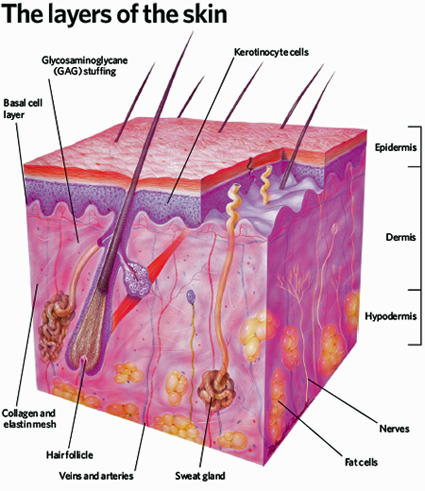
Acne is a skin disease caused by inflammation of hair follicles (pores where a hair) and sebaceous glands (see the image of the structure of the skin ).

Who is affected?

Complications?

It is a very common condition. About 80% of teenagers are concerned, mostly male, 10% requiring medical care and 1% of them undergoing therapeutic disorders. However, it can be found at all ages: newborns, prepubertal children and adults (mostly in women at this time) may be affected.

A rare complication exists, however: Acne rheumatism which affects the insertion points epiphysaria tendons, ligaments and joint capsules, which causes destruction of bone at the insertion points generally followed by ankylosis of the joint due to calcification of ligaments. This acne treatment justifies the background. Acne usually develops in specific areas like the face, back or chest.

Description of acne.

The sebaceous glands produce sebum, an oily substance that gives elasticity to the skin. If oil production is too high, the pores become clogged. Comedones and microcysts are formed. When closed, they are called whiteheads. When skin pores are open, comedones become black due to oxidation of sebum on contact with air. These are the famous spots. This type of mild to moderate acne, non-inflammatory, can be cured by local treatment. It happens that some anaerobic bacteria (not supporting oxygen), normally present in hair follicles, multiply abnormally. It then triggers inflammation, and blackheads develop into papules (1-4 mm) or pustules (pimples containing pus). If the inflammation worsens, these pustules can develop into nodules or cysts, serious inflammatory lesions. This is a moderate to severe acne and inflammation that can leave scars, microcrateres; scars raised or at worst a pockmarked appearance.
Acne is not contagious.

Structure of the skin:

The causes of acne.

Research shows that acne is directly related to heredity and adolescence. Indeed, this disease mainly affects adolescents and young adults up to age 25. Acne can last from 3 to five years.

Hormonal causes:


It is known that androgens (sex hormones) play a role in the development of acne because they increase the secretion of sebum. During adolescence, boys are often more severely affected than females because they produce 10 times more androgens. By contrast to adulthood, women have acne breakouts eventually occur cyclically, depending on the time of the menstrual cycle, and some birth control pills can cause. Steroid use (to increase muscle mass) is also a risk factor.


The use of cosmetics:

Some cosmetics aggravate or cause acne because they are comedogenic (favor the appearance of blackheads): soap, shaving the hair oil, excessive use of soaps and disinfectants, greasy creams. Above all, we need to clean the skin with soap or acid lotion and sun avoidance. The boys should shave the electric razor station to the myth! Neither chocolate nor french fries, sweets or cakes do not cause acne. There is no need to starve yourself!

The characteristics of the skin:

Besides hormones, it seems that the essential factor is the thickness of the skin. The more the skin is thin, less likely to clog pores. All that is irritating helps thicken the skin and therefore, promotes blackheads and acne: the sun, sweat, chlorine, and cleanings' strippers too. The sun is particularly treacherous because it improves temporarily the appearance of the skin. However, after the holidays, the buttons are multiplying! Indeed, if the UV rays have an anti-inflammatory thickening of the stratum corneum causes a pop deeper comedones and microcysts resulting in the recurrence of problems as soon as the top layer of skin thins.

The treatment of acne.

All medical treatments require several weeks or months before giving results. They only work if used regularly. In case of minor acne, topical therapy is considered. In cases of acne average, resistant to local treatment or severe, a systemic treatment is then adopted.

Topically (when acnelegere to moderate):

Retinoids:
They are used in the case of non-inflammatory acne and fight against the formation of comedones by normalizing follicular hyperkeratosis. Treatment duration varies from 3 to five months, beginning with the risk of escalation; however, we see an improvement after six weeks of tretinoin Traitement in part, it speeds up the renewal of skin cells. Quite irritating, this treatment requires patience to be able to find the right dosage. Several months are needed before a complete result. It also has a smoothing effect wrinkle!

The antibacterial premises:

They do not fight against blackheads and are therefore, inactive on non-inflammatory acne. They are mainly used in mild to moderate inflammatory acne. The improvement occurs within 3 to four weeks. However, we can extend the treatment beyond 4 to six months to avoid bacterial resistance referred. The topical antibiotics like clindamycin, erythromycin reduced bacterial infection.

Benzoyl peroxide:
It penetrates deeply into the skin and kills bacteria that cause acne. It dries and reduces the thickness of the skin, releasing the blocked follicles. However, it is very irritating and makes peeling. It is better to choose the lowest dose (2.5%) to be as effective against bacteria but less irritating. Attention, we must let it dry before getting dressed, this product whitens clothes.

Salicylic acid:
when benzoyl peroxide is poorly supported, it is an attractive alternative. This product does not attack the bacteria, but it thins the thickness of the epidermis and helps deep clean pores.

Systemically (in case of moderate to severe acne)

Oral antibiotics:
They work during the inflammatory phase of acne; they inhibit the proliferation of Propionibacterium acnes, bacterial lipases and reduce the concentration of free fatty acids. One can cite in this category tetracycline, erythromycin and minocycline. The treatment duration is at least three months.

Isotretinoin:
In very severe cases of acne, this product has transformed the lives of much acne. Known under the name Accutane ©, its action is spectacular and rule 80% of cases in six months. Sebum production, the formation of blackheads and bacteria growth are reduced in the first weeks of treatment although highly effective, dermatologist does prescribe it only after the failure of antibiotic treatment because of side effects: Pregnancy is strictly prohibited throughout the treatment because isotrétinoïde causes severe abnormalities in the fetus. It can also cause dryness of the lips, skin and eyes, joint pain and headaches. These side effects are reversible upon discontinuation of treatment.